Breaking News
Popular News


Enter your email address below and subscribe to our newsletter
Smart Discovery Store
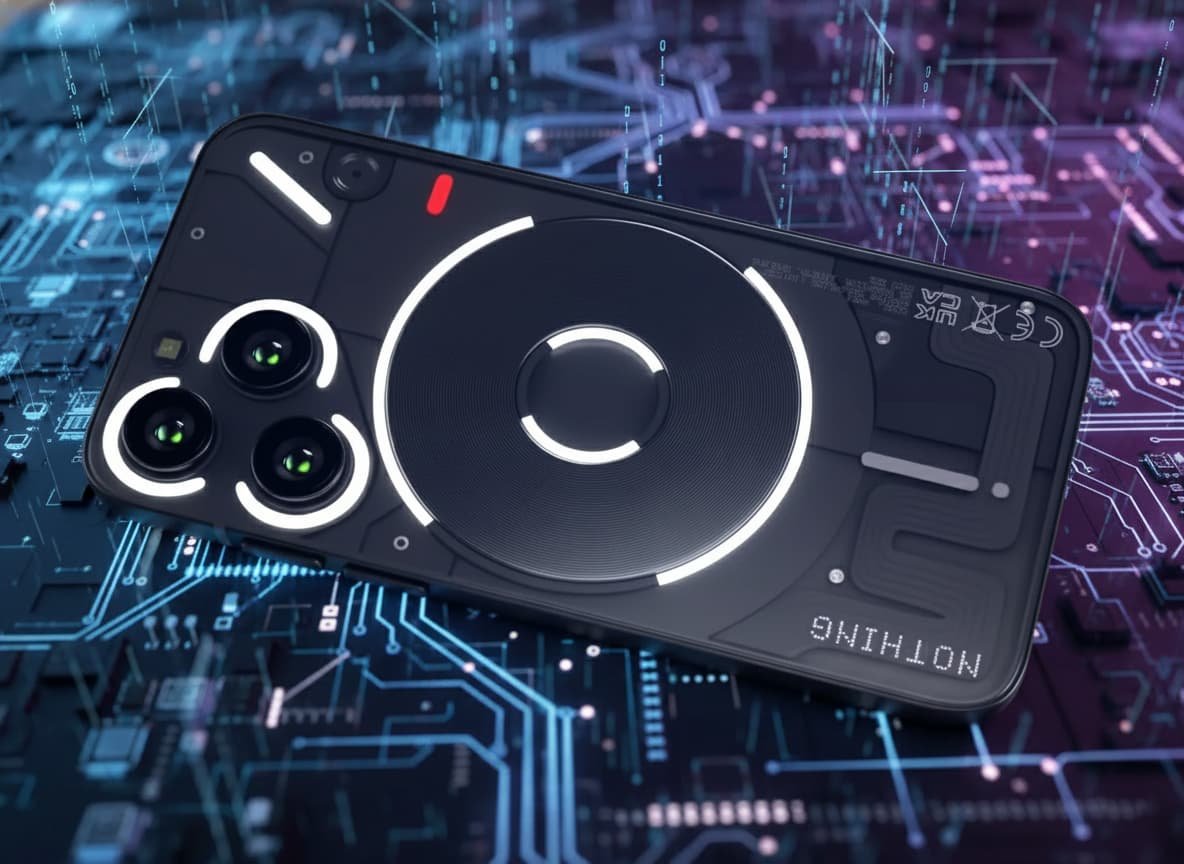
Nothing has built its reputation by creating phones that look different. Transparent backs, glowing glyph lights, and a strong visual identity have helped the brand stand out in a crowded market where most smartphones follow the same familiar design trends. With the Nothing Phone 3, the company aims higher than before, positioning it as its first true flagship at a price of $799. But after extended testing, it becomes clear that while the Phone 3 is the most premium device Nothing has made so far, it still does not reach the level expected from top-tier flagships from Samsung, Google, and Apple.
The first impression of the Nothing Phone 3 is its design. The layered glass, bold typography, and signature Nothing aesthetic give it an unconventional appearance that will divide opinions. Some users will appreciate the artistic approach, while others may find it unusual. Regardless, it is undeniably unique. This design language gives the device character, but it does not automatically elevate it to flagship status.
Nothing’s marketing positions the Phone 3 as a major step into the premium smartphone category. At $799, it sits directly beside well-established flagship models like the Samsung Galaxy S25, Pixel 9, and iPhone 16. To compete in this space, a phone must offer the very best hardware available—or at least match the level of refinement expected from devices in this price range. The Phone 3, however, still follows Nothing’s usual playbook: deliver smart choices, stylish hardware, and clever cost-cutting in areas the average user might not notice immediately.
The most important aspect of any smartphone in this category is performance. Instead of using the top Snapdragon 8 Elite processor, Nothing opted for the Snapdragon 8s Gen 4. This chip is fast, efficient, and far better than anything used in previous Nothing phones. Everyday performance feels smooth, responsive, and well-optimized. Apps open quickly, scrolling is fluid, and the software animations complement the hardware well.
However, when compared to the leading flagship processors, the difference becomes noticeable in demanding tasks such as high-end gaming or intensive workloads. The Phone 3’s chip is strong but not class-leading, which reinforces the idea that the device sits just below true flagship performance.
Memory and storage configurations are generous. The base model includes 12GB of RAM and 256GB of storage with fast UFS 4.0 speeds, while the higher-end option offers 16GB RAM and 512GB storage. These specifications help multitasking feel seamless and give the phone longevity, but they cannot completely compensate for the mid-high tier processor.
The display is one of the strongest features of the Nothing Phone 3. The 6.67-inch AMOLED panel is bright, sharp, and visually impressive. With slim, even bezels, 120Hz refresh rate, and peak brightness reaching up to 4,500 nits for HDR content, it performs extremely well outdoors and delivers excellent clarity. Color accuracy is strong, and touch responsiveness is enhanced by a 1,000Hz sampling rate. Everyday use feels premium.
Still, there are subtle compromises. The phone uses LTPS display technology rather than the more advanced LTPO panels found in top-tier flagships. This limits the range of dynamic refresh rate adjustments, which can impact battery efficiency. The screen is protected by Gorilla Glass 7i, which is durable but sits below the Victus and Victus 2 glass used in higher-end models.

Battery life, however, is a standout success. The large 5,500mAh silicon-carbon battery delivers excellent endurance, easily lasting a full day of heavy use or up to two days for moderate users. Charging is fast at 65W, and the device supports wireless charging, reverse wireless charging, and reverse wired charging. Few smartphones in this price range offer this combination of battery capacity and flexibility.
The camera system includes three 50-megapixel sensors covering wide, ultrawide, and telephoto focal lengths. On paper, it looks competitive with modern flagships. In practice, the results vary. Under good lighting, the main camera performs well, capturing detailed images with natural color reproduction. However, autofocus occasionally struggles, leading to shots that are slightly soft. The telephoto camera produces impressive macro shots and delivers useful zoom capabilities, but it is physically smaller than expected due to design constraints. The ultrawide and selfie cameras are the most consistent performers, delivering reliable clarity.
Overall, the camera setup is capable but falls short of the standards set by flagship devices from Samsung, Google, and Apple. With further software tuning, it could improve, but at launch, it remains one step below the best in its class.
The most controversial design change in the Phone 3 is the removal of the iconic glyph lights. Instead, Nothing introduced the Glyph Matrix—a small secondary display made up of 489 LED pixels located on the back of the device. Its purpose is to show notifications, icons, timers, and simple visual interactions while the phone is placed face-down.
For essential alerts, this system works well. Users can assign specific icons to certain contacts or apps, helping identify important notifications without picking up the phone. This offers practical convenience for those who keep their device face-down during meetings or social activities.
Beyond this core functionality, the back display includes features that lean more toward novelty than utility. From simple animations to mini-games such as Rock-Paper-Scissors or graphical timers, these additions may entertain users briefly but offer little long-term value. Developers can build custom interactions using an open API, though it remains uncertain how widely this will be adopted.
Despite the experimental back display, the strength of the Phone 3 still lies in its front-facing software. Nothing OS 3.5 delivers a clean, stylish, and highly responsive user experience built on top of Android. The interface balances personality with practicality. Features like customizable widgets, smooth animations, and an efficient app launcher contribute to the overall experience.
One excellent addition is the universal search box, which can search both on-device content and the web. Using a lightweight version of Gemini, it provides quick answers without overwhelming the user with AI-heavy features. Nothing has committed to five years of major software updates, placing it in the competitive range of premium brands.
So, is the Nothing Phone 3 a true flagship? Not exactly. It is a well-built, stylish, highly usable smartphone with strong software and excellent battery life. It stands out in design and personality but does not match the complete hardware package offered by flagship phones at the same price. Buyers who prioritize maximum performance, top-tier camera quality, or advanced materials may find stronger alternatives elsewhere.
However, users who value a unique aesthetic, smooth software, reliable battery life, and a refreshing design language will appreciate what Nothing has created. The Phone 3 embodies the brand’s identity: creative, unconventional, and enjoyable, but still not fully committed to flagship specifications.