Breaking News
Popular News


Enter your email address below and subscribe to our newsletter
Smart Discovery Store
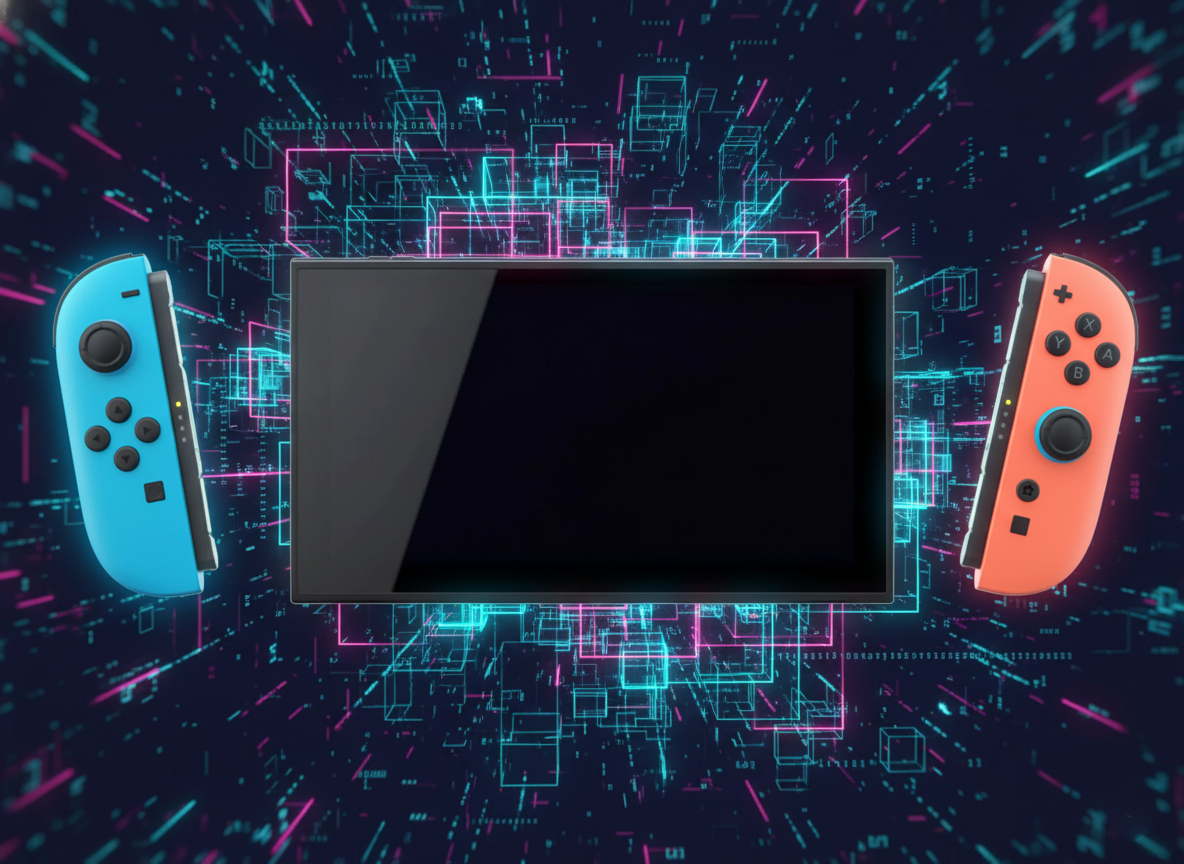
Game console decisions are rarely about hardware alone. Most people buy a console because of the games they want to play, not because of technical specifications. If your favorite titles are only available on one platform, that ultimately makes the choice for you. With the Nintendo Switch 2, the same rule applies. The hardware matters, but the real goal of this device remains the same as the original model: deliver great games in a flexible system that works at home or on the go.
The Switch 2 is a second-generation product, and second-generation devices are often the most interesting. The original Switch, released in 2017, was a bold concept that blended handheld gaming with traditional console play. It replaced both the Nintendo 3DS and the Wii U with a single hybrid device. After years of understanding how players used the first model, Nintendo now returns with a more refined version that aims to improve both handheld and docked performance.
A large portion of Switch owners historically played in handheld mode, and Nintendo has clearly designed the Switch 2 with them in mind. The new display is significantly larger, brighter, and smoother thanks to a higher refresh rate. Bezels are still visible but reduced enough that the screen feels more modern and immersive.
The Joy-Cons have been redesigned with larger buttons and joysticks, plus a stronger, full-width kickstand that improves tabletop use. The new magnet-based attachment system is one of the biggest functional upgrades. Instead of sliding Joy-Cons along a rail, they now snap on and off using strong magnets. The motion feels more natural, more secure, and more enjoyable to use.
Nintendo has also introduced a “mouse mode,” allowing the Joy-Cons to control an on-screen cursor. This feature will likely be more useful as future games adopt it, but even today it feels intuitive and quick to activate. It opens the door for new gameplay styles and accessibility improvements.
For players who prefer big-screen gaming, Nintendo has upgraded the dock as well. The Switch 2 can now output 4K at 60 frames per second, a major improvement over the original model’s 1080p limit. It also supports HDR output for improved color and contrast on compatible TVs.
Nintendo added a cooling fan to maintain performance during long gaming sessions, and the dock includes built-in Ethernet—removing the need for separate adapters. A USB-C port sits on top of the console, offering support for accessories even when docked. These improvements show that Nintendo is giving equal attention to TV play and handheld use, rather than favoring one mode over the other.
The upgraded hardware also benefits older games. Many Nintendo Switch titles that struggled to maintain consistent frame rates now run much smoother on the Switch 2 even without updates. Games like “Bomb Rush Cyberfunk” and “Resident Evil 5” now reach stable 60 FPS, improving responsiveness and visuals across the board.

With new internal components, menus load faster, the eShop is more responsive, and game launches feel snappier. Even familiar titles feel refreshed simply because the system can handle them more easily. For long-time Switch owners, the Switch 2 brings noticeable improvements without requiring new purchases.
The largest compromise with the Switch 2 is battery life. Despite being newer, performance and display upgrades demand more power. During low-intensity tasks or light gaming, battery life may be similar to the original Switch. Standby time is also acceptable.
However, during long, intensive gaming sessions—especially with the brightness turned up—the battery drains quickly. In some cases, the console can lose 1% every two minutes, lasting only around three hours during demanding gameplay. For travel or long flights, this is a limitation users need to plan around. While acceptable for a more powerful handheld console, it is still an area where improvement would be welcome.
The Switch 2 launches at $450, compared to the original’s $300 price point in 2017. This may seem like a large jump, but with inflation, improved displays, stronger hardware, magnet-based Joy-Cons, and new engineering throughout, the pricing is relatively reasonable for a device meant to last several years.
What may feel more significant is the rising cost of everything surrounding the console. MicroSD Express cards, a faster modern storage standard, cost more than older microSD options. First-party accessories have risen in price, and game prices often reach $60 to $80. Interestingly, even simple titles—such as the $9 “Welcome Tour” game—add to the growing expenses.
Some physical game cartridges include only part of the data, requiring online downloads for the rest. Anyone who plans to play on airplanes or without internet should download game files ahead of time.

The original Switch faced widespread stick drift issues, so many expected Nintendo to adopt hall-effect joysticks for the Switch 2 to eliminate the problem. Surprisingly, the new Joy-Cons do not use hall-effect sensors. It is unclear whether drift will become an issue again, and only long-term use will reveal whether this concern is valid.
The redesigned Joy-Cons are still significantly more comfortable to use, and the improved SR and SL buttons make multiplayer sessions easier. Combined with the magnet system, the Joy-Cons feel more premium overall.
As always, the purchase decision starts with one question: Which games do you want to play? If your favorite titles belong to Nintendo franchises like Mario, Zelda, and Pokémon, the Switch 2 is the natural choice. If you prefer games that are exclusive to other platforms, the Switch was never the console for you.
While there are currently only a few games built specifically for the Switch 2, “Mario Kart World” is already a best-seller and available in a $500 bundle that includes the console and saves buyers some money. Future releases will take advantage of the upgraded hardware, offering better visuals and performance over time.
If you enjoy handheld gaming, docked gaming, or a mix of both, the Switch 2 is a clear upgrade that refines the hybrid console concept. The improved display, higher frame rates, better Joy-Cons, and stronger docked performance make it a more complete and versatile device. The only major downsides are battery life and the rising cost of games and accessories.
For players planning to use the console for several years, the Switch 2 provides a stronger foundation than the original and offers meaningful improvements without losing what made the Switch concept successful.