Breaking News


Popular News



Enter your email address below and subscribe to our newsletter
Smart Discovery Store
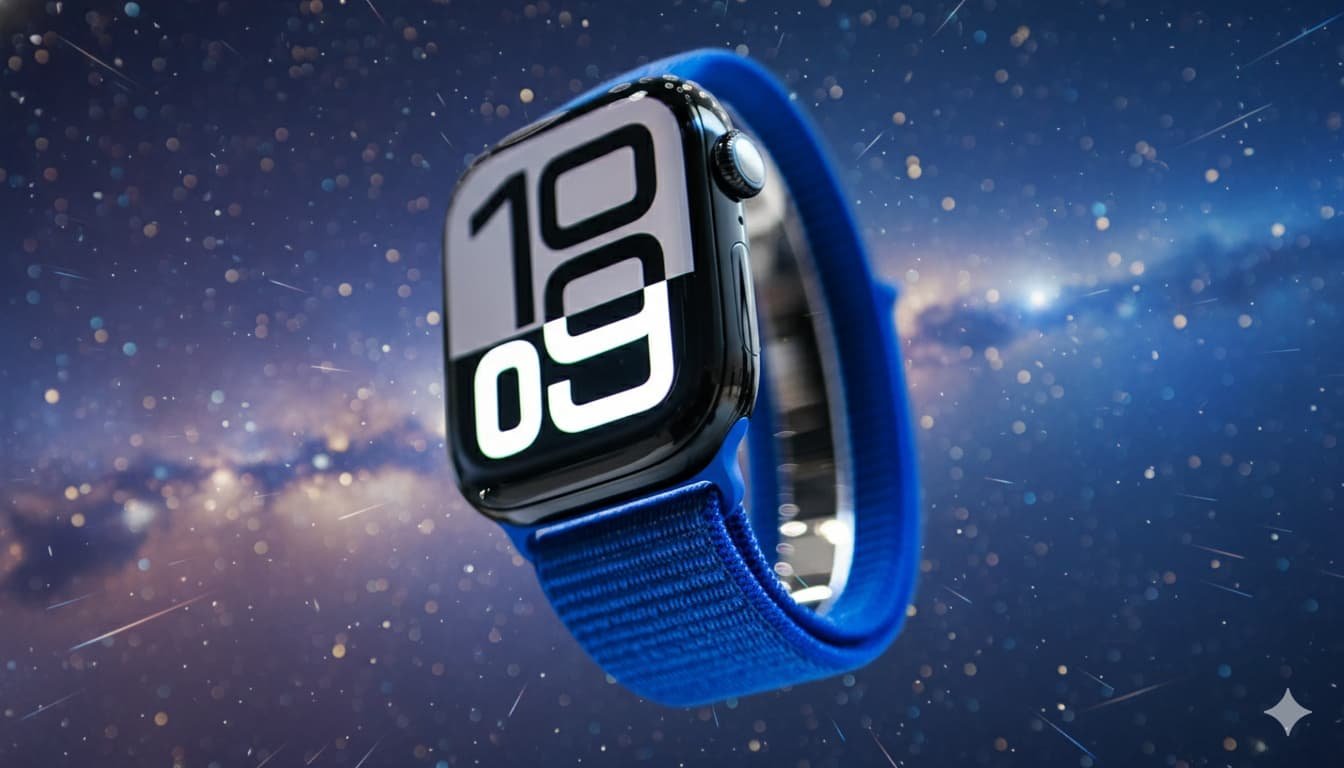
For months, leaks and rumors suggested the 10th-generation Apple Watch would be the moment Apple introduced a bold redesign—similar to how the iPhone X reshaped the entire iPhone lineup. Many expected a new form factor, new materials, or an entirely fresh direction to match the significance of the “Series 10” milestone.
But after using the Apple Watch Series 10 for a week, it’s clear this is not a dramatic redesign. Instead, Apple has delivered another careful and incremental upgrade, with a few meaningful refinements but no major leaps. For many users, that’s not necessarily a bad thing—it just makes the buying decision much simpler.
The Series 10 introduces small physical changes: the watch is 10% thinner, 10% lighter on the aluminum version, and the stainless steel option has been replaced with titanium, which reduces weight even further. Apple has also enlarged the display on both sizes, providing more on-screen space without changing the overall design language.
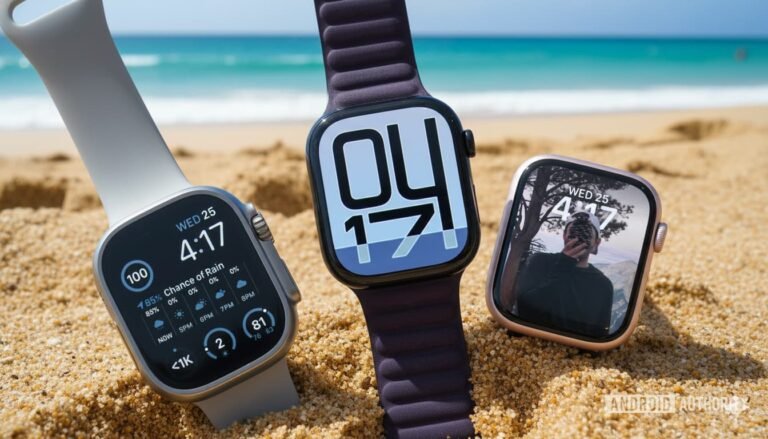
Visually, Series 10 still looks like the Apple Watch we’ve known for years—a rounded rectangular face with curved sides and familiar buttons. The edges curve more noticeably into the frame, especially on the new Jet Black model, giving it a sleeker, more seamless look. At a glance, it resembles a refined version of the previous generation rather than an entirely new product.
Apple redesigned the back panel into a single metal piece and reduced the speaker size by 30% to fit the new chassis, but these engineering changes don’t significantly alter the user experience. In daily use, the watch simply feels a little lighter, flatter, and more comfortable.
Apple often highlights larger displays as a key improvement each year, but for most tasks the difference is subtle. This time, however, the increase is more noticeable. The 46mm Series 10 now uses a display size similar to the Apple Watch Ultra, which gives apps more breathing room.
Certain workout views now show an extra line of data—for example, the Disc Sports workout adds mileage underneath heart rate and calories, which wasn’t possible on smaller screens. This isn’t a groundbreaking change, but for fitness users who rely on detailed workout metrics, the additional space is practical.
Series 10 ships with watchOS 11, bringing new features that also roll out to eligible older models. These include:
Since these features work across multiple generations, they aren’t exclusive reasons to buy the latest model. If you own a Series 8 or Series 9, software alone won’t justify the upgrade.
There are four hardware-specific upgrades worth noting, though each varies in importance depending on the user.
The redesigned speaker allows the watch to play music, podcasts, or audiobooks out loud. It’s not meant to replace real speakers or headphones, but it may be useful in situations where you want quick audio playback without accessories. It’s more of a convenience feature than a major selling point.
The new display can now refresh at just 1Hz instead of 10Hz, allowing the second hand to remain visible at all times on the Always-On Display without draining battery life. Off-axis viewing angles are also improved, making it easier to check the time discreetly.
A new onboard sensor detects water temperature during swimming or water-based workouts. It’s a useful addition for swimmers and outdoor athletes, though its value depends entirely on lifestyle.
Using the included charging puck, the Series 10 charges noticeably faster—up to roughly 65% in 30 minutes in real-world testing. Apple claims 80% in the same time, but results vary. Faster charging is genuinely useful for users who wear the watch during the day and night with short charging breaks.
The Series 10 includes the new S10 SiP (System in Package), but performance remains very similar to the S9. Apps launch quickly, animations are smooth, and interactions feel responsive, but there is no significant performance jump.
Battery life remains Apple’s familiar 18-hour estimate, which is the same figure they’ve targeted for years. Despite the new display and lighter design, Apple has not pushed beyond its “all-day battery” promise. For users who track sleep, travel often, or rely heavily on fitness tracking, frequent charging remains part of the experience.

The biggest takeaway from Series 10 may be Apple’s message during the keynote: this is what they consider a “new design.” If this counts as a redesign, it suggests Apple may continue its incremental pattern for several more years rather than introducing radical changes.
Features long requested by enthusiasts—such as a circular display, rotating bezel, or significantly extended battery life—are not part of Series 10. And based on Apple’s language, they may not be part of the road map anytime soon.
For these users, Series 10 feels like a meaningful step forward in display size, comfort, and usability.
Series 10 is a refinement, not a transformation. Users with recent models will see only subtle improvements.
Apple Watch Series 10 is a polished, well-executed upgrade that makes the watch thinner, lighter, and easier to use. The bigger display and faster charging are genuinely helpful, and health tracking continues to improve. But despite the milestone number, this year does not deliver the major redesign many were expecting.
Instead, Series 10 solidifies Apple’s long-term vision: a reliable, rectangular smartwatch with consistent battery life, familiar features, and subtle annual improvements. For new buyers or owners of older Apple Watches, this model is easy to recommend. For everyone else, the incremental nature of the upgrade means waiting another year won’t feel like you’re missing much.