Breaking News


Popular News



Enter your email address below and subscribe to our newsletter
Smart Discovery Store
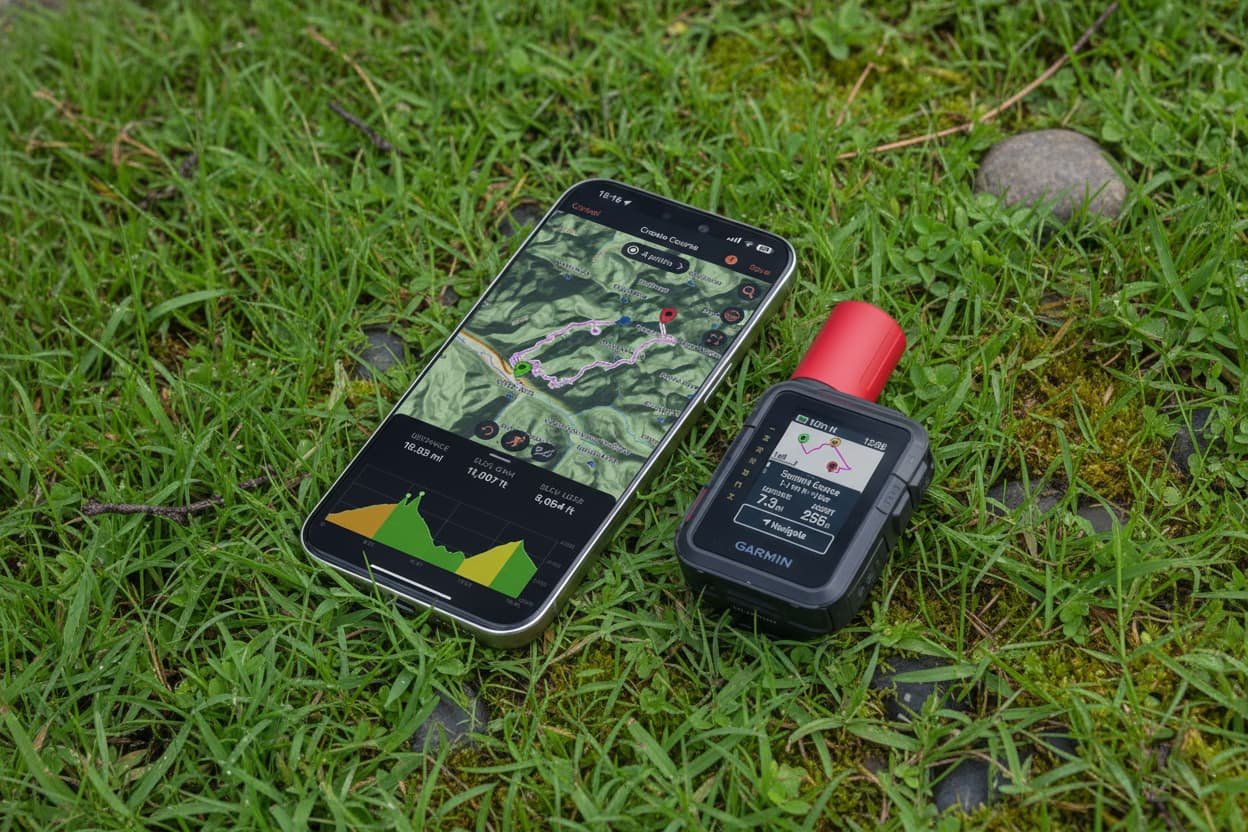
The Garmin inReach Mini 2 looks small, almost toy-sized, but the longer you use it, the more you realize it isn’t just another gadget — it’s a safety line that follows you into any terrain, any weather, and any moment when regular cell coverage simply disappears. Whether you ride deep into the back country, camp in remote areas, hike into valleys where phones go dead, or push into harsh conditions, this little unit becomes one of the most important tools you carry. People often talk about “peace of mind,” but the Mini 2 is the rare device that actually delivers it, both for you and for the people who wait for you at home.
What the Mini 2 essentially does is turn every wilderness trip into something more controlled. It works as a satellite communication device, which means you can send messages from places where your phone shows zero bars, zero signal, zero anything. That alone would make it useful, but Garmin added the feature that matters most: a dedicated SOS button. Press it, and emergency services prepare to get you — whether that requires ground crews, a search team, or a helicopter. That single function transforms the Mini 2 from a “nice accessory” into something closer to mandatory safety gear for anyone who travels far from civilization.
The unit itself is built for punishment. The rubberized shell, waterproofing, shock resistance, and overall ruggedness feel purpose-built for real back-country abuse. You can strap it to your vest, belt, backpack, or pants, drop it, bounce it off rocks, soak it in rain, and keep going. It’s designed the way outdoor gear should be — simple, tough, and reliable when absolutely everything else around you might fail.
Once you activate a subscription plan, the Mini 2 lets you send short text messages from anywhere on Earth. Not long paragraphs, not long stories — but the kind of direct communication that keeps people at home from worrying. Many users say the most common message they send is something like “Still alive” or “Everything’s good.” That small line removes hours of anxiety for parents, partners, and friends who have no idea what’s happening once you disappear into the wilderness.
Garmin includes basic tools like a compass, and you can unlock additional functions such as weather reports depending on your plan. The point, though, isn’t navigation or planning — it’s connection. The Mini 2 becomes your lifeline when you’re dozens of miles from the nearest signal tower, and because the device syncs with satellites, it doesn’t rely on anything local. Wherever you are, messages still go through.
The device itself costs a few hundred dollars, depending on the retailer. But the subscriptions are where the real value appears. The communication plan runs around $25 a month, and many people keep it active year-round because they never know when they’ll be outdoors again.
More important is the optional search-and-rescue plan: $40 per year for up to $100,000 in rescue coverage. That means if you activate SOS and rescuers need to mobilize helicopters, teams, equipment, or anything else, you’re financially protected. For outdoor riders, climbers, trail explorers, and anyone who ends up alone in unpredictable terrain, that coverage is worth more than the price of the device itself. It turns a terrifying scenario into something manageable, where you can trust that help will not only arrive but won’t destroy you financially afterward.
Using the Mini 2 isn’t complicated, but there is a learning curve. Garmin’s menus and button layout take some getting used to, especially since there’s no touchscreen. You navigate everything with just a few physical buttons, which means typing messages requires selecting letters one by one. It’s slow, sometimes frustrating, but it works. You won’t be writing essays on this device; you’ll be sending critical updates, and for that, it performs exactly as needed.
Battery life can vary widely depending on how the device connects to satellites. Outdoors, with a clear view of the sky, the Mini 2 can last nearly a week. Indoors or under heavy cover, the battery drains faster because it keeps searching for a satellite lock. This isn’t a flaw — it’s simply how satellite communication works. The takeaway is simple: charge before every major trip, and keep it outdoors when you want the battery to stretch.
One interesting issue some users experience is message delays in receiving replies. Sending messages almost always works immediately, but incoming messages sometimes lag by hours or even days. This may be due to satellite routing, plan settings, or environmental factors, but it’s something to be aware of. The Mini 2 is great at letting you speak — occasionally less perfect at letting others speak back.
Everything about the Mini 2 is built around the idea that you won’t treat it gently. Cold temperatures, blistering heat, rainstorms, mud, cliffs, and rivers — the device feels ready for all of it. Most riders and hikers attach it somewhere accessible, because in an emergency, you don’t want to dig through bags to find your lifeline. If something goes wrong — a crash, a fall, an avalanche, a slide, a sudden storm — the device should still be within reach. That accessibility alone can be the difference between danger and rescue.
The unit’s simplicity is also a strength. In stressful moments, complicated touchscreens and deep menu trees are liabilities. The Mini 2 keeps everything minimal, essential, and easy to trigger even when adrenaline is high.
You don’t buy a Garmin inReach Mini 2 because you plan on needing it. You buy it because there’s no warning when something goes wrong. Most of the time, your experience outdoors will be peaceful, exciting, and problem-free. But the Mini 2 exists for that single moment when your phone is dead, no one is around, daylight is fading, and you need help.
It also exists for the people who care about you — the ones who stay home, watching the clock, hoping you’re safe. A single message from the Mini 2 can remove hours of fear and uncertainty for them. And if something truly does go wrong, the SOS button turns a disaster into a solvable situation.
When you add up the cost, the plans, the peace of mind, and the real-world performance, the Mini 2 becomes less of a gadget and more of a quiet insurance policy that follows you everywhere you go. For anyone who spends serious time away from cell service, it isn’t optional — it’s essential.