Breaking News

Popular News


Enter your email address below and subscribe to our newsletter
Smart Discovery Store
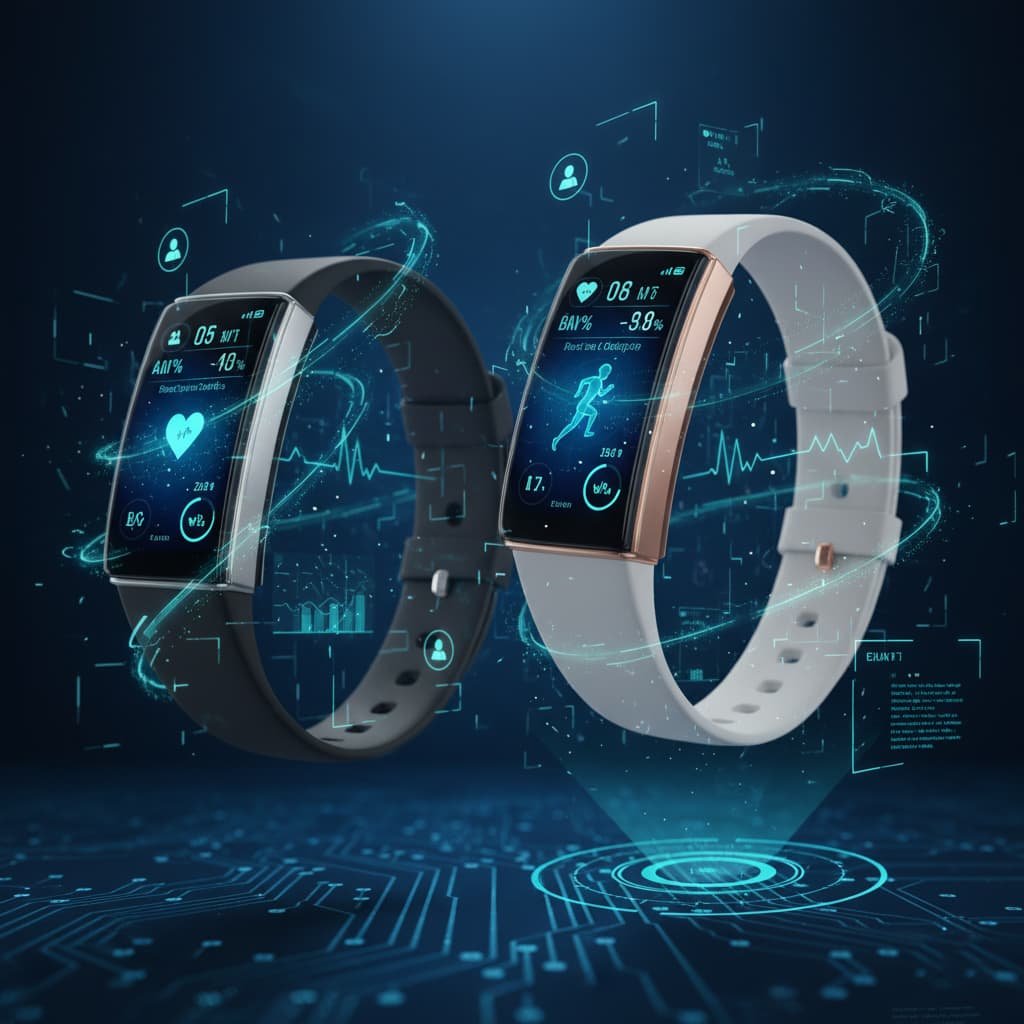
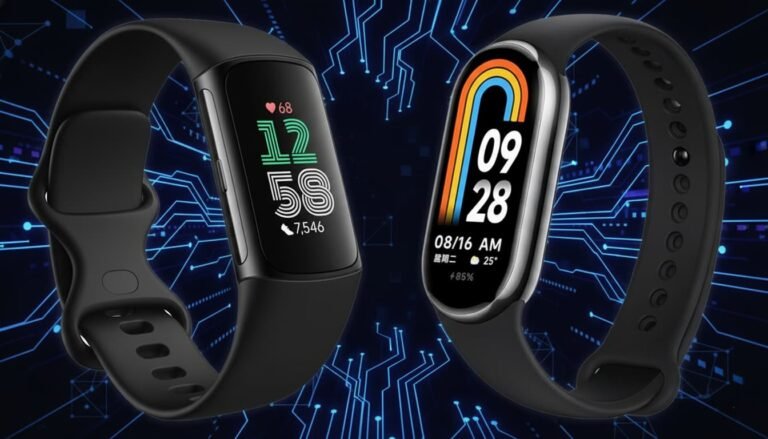
AI fitness trackers have quickly evolved from simple step counters into powerful health-analysis tools. What used to be a device for counting calories or recording workouts has now become a complete body-insight companion. Modern trackers analyze heart rate, stress levels, sleep cycles, recovery patterns, breathing quality, daily habits, and even early signs of fatigue. But the real question is: do AI fitness trackers genuinely understand your body better, or is the technology overrated?
The biggest strength of AI fitness trackers is their ability to find patterns you never notice. While humans see each day as separate, AI sees data as a continuous timeline. It compares your past nights of sleep, your training intensity, your resting heart rate, and your movement habits. Then it identifies subtle changes that often go unnoticed. For example, a slight rise in resting heart rate paired with poor sleep and elevated stress may indicate your body is overworked. Without the tracker, these signals would look random. With AI, they form a clear story.
Another powerful feature is sleep analysis. Modern trackers break sleep into stages — light, deep, and REM. But AI goes further: it studies breathing patterns, body temperature, nighttime movement, and recovery quality. Instead of telling you “you slept 7 hours,” it can tell you whether that sleep restored your body or left you drained. This is especially useful for people who wake up tired and don’t understand why. AI converts invisible sleep data into clear guidance.
AI fitness trackers also excel at real-time feedback. During workouts, they monitor heart rate zones, movement form, and pace. They can identify when you’re pushing too hard or not hard enough. For cardio workouts, this prevents burnout. For strength training, it improves consistency. When performing exercises like running, cycling, or rowing, AI systems detect changes in rhythm, breathing quality, and efficiency. Over time, this leads to better performance and fewer injuries.
A major benefit often overlooked is stress detection. Traditional trackers only show numbers, but AI interprets them. It studies patterns in heart rate variability, breathing rhythm, and activity levels. This helps identify moments when the body feels overwhelmed, even if the mind feels calm. Knowing these moments allows you to adjust your routine and prevent unnecessary fatigue.
Another advantage is habit tracking. AI analyzes your long-term behavior. It notices when you sit too long, move too little, or push too hard. Instead of vague reminders, the recommendations become personalized: shorter workouts on high-stress days, longer recovery after tough sessions, and more movement during low-activity weeks. It adapts to your lifestyle rather than forcing generic goals.
AI fitness trackers are also becoming valuable for early health alerts. They can flag unusual heart patterns, sudden drops in activity, disrupted sleep, or irregular breathing. These signals don’t replace medical advice, but they help you notice issues early. Many people discover problems only when symptoms become obvious. AI helps recognize them before they grow.
Of course, AI fitness trackers have limits. They are not doctors, and they cannot diagnose conditions. Their sensors depend on skin contact, so readings can sometimes vary. They also can’t fully understand emotional factors or complex medical history. But within their scope — pattern detection, habit analysis, and real-time feedback — they perform exceptionally well.
So, do AI fitness trackers understand your body better?
In many ways, yes. They don’t guess. They measure. They don’t forget. They compare. They don’t rely on how you “feel” on a single day. They analyze long-term trends to show what your body is actually experiencing. For anyone serious about health, energy, sleep, or daily performance, AI fitness trackers offer valuable insights that are difficult to access in any other way.