Breaking News
Popular News


Enter your email address below and subscribe to our newsletter
Smart Discovery Store

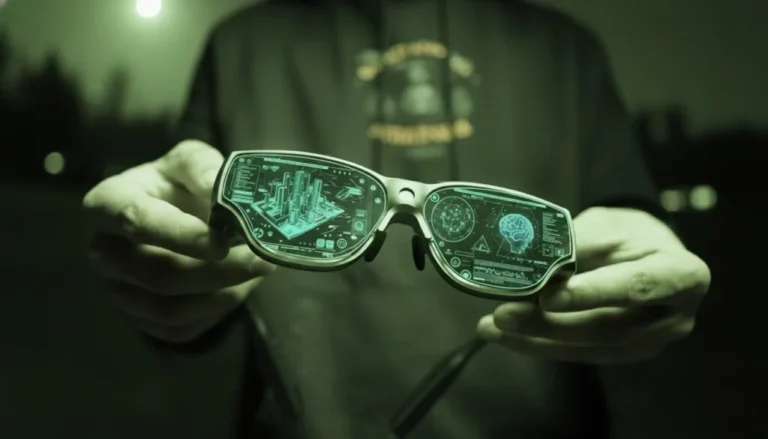
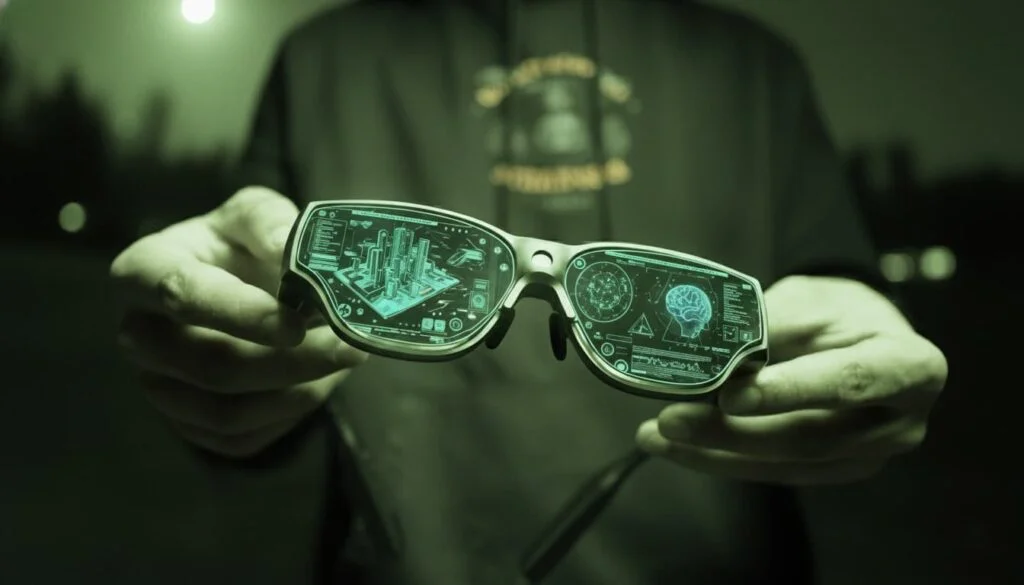
The Even Realities G1 smart glasses take a very different approach to wearable tech: instead of trying to replace your phone or add full AR overlays, these glasses focus on a single idea — a tiny, minimalistic, green display that only the wearer can see, giving you information without blocking your real-world view. The result is one of the most comfortable, natural-feeling smart eyewear experiences so far. With functions like live translation, teleprompter mode, navigation, and quick notes, the G1 aims to blend into daily life instead of overwhelming it.
The unboxing is clean and premium. The glasses arrive inside a charging case that wirelessly charges the eyewear when stored. Included in the package are a USB-C cable, microfiber cloth, replacement nose pads, and a well-built sunglasses clip-on attachment. The presentation highlights how minimal the product is — no bulky side modules or awkward weight distribution.
The charging case is heavier than a normal glasses case, but still compact enough for everyday carry. Inside, the glasses sit in a molded cradle, charging automatically whenever the lid closes.
The most impressive part: they feel like real glasses, not tech. The designers place nearly all the electronics inside the rear portion of the arms, shifting the weight toward the ears instead of the front. This makes the glasses easier to wear for long periods and reduces nose pressure. The stems remain surprisingly slim compared to other smart eyewear.
When turned off, the lenses look completely normal. You can barely tell where the display sits unless you catch the reflections at a specific angle. When activated, a green “retro calculator-style” display appears — clean, subtle, and minimal.
The clip-on sunglasses unit attaches firmly and can be removed with a simple thumb-press on the nose bridge. With it attached, the aesthetic becomes bold and Matrix-like, but the projected text remains perfectly visible.
During setup, you calibrate how much you need to tilt your head to activate the display. This prevents accidental triggers during everyday movements, like sipping a drink. You can also adjust the virtual “display distance,” making the projection feel like it’s 1 meter away (close) or 5 meters away (floating far in front of you).
Despite bright studio lights, the green projection remains readable. In real-world lighting, it feels even cleaner.
One of the most practical features is Quick Notes. You hold the touch area on the back of the arm and speak your note aloud. The glasses transcribe it cleanly, format it, and save it for quick scrolling. For example, a grocery list appears in five lines within the view, neatly spaced and easy to reference while walking.
Because the amount of screen space is small, larger notes are split into separate entries that you tap through. It’s a surprisingly efficient system for reminders, ideas, or task lists.
This is easily one of the standout features. The glasses support multiple languages, including Arabic, Hindi, French, German, and more. When someone speaks to you, subtitles appear in near real-time in your preferred language.
It feels like a video game NPC dialogue system — the person talks normally, and you see live captions without the other person realizing. The wearer sees everything, while the speaker sees nothing unusual.
This could be transformative for travel or multilingual environments.
Navigation is currently optimized for walking and cycling. A simple drawn path and arrow appear in your view, guiding you to your next turn without needing to pull out your phone. It’s perfect for exploring new cities or traveling safely without looking lost or distracted.
For presenters or content creators, the teleprompter mode is excellent. You can adjust:
– Words per minute
– Scroll speed
– Countdown before start
– Display size and distance
Once activated, the text scrolls smoothly in front of your eyes. It’s ideal for speeches, YouTube videos, or professional presentations without needing an external teleprompter.
There is an AI mode powered by ChatGPT-like capabilities. It works, but it loads slowly and feels too early for daily use. Since it’s labeled beta, improvements will likely come. The potential is huge, but right now, the other features are more polished.
The dashboard shows persistent info: weather, schedule, stocks, news, and quick notes. It feels like a lightweight HUD for life — not overwhelming, just helpful. The minimal green text makes the information feel futuristic yet unobtrusive.
The Even Realities G1 glasses are a big step toward practical smart eyewear. Instead of trying to replace your phone or overload your vision, they focus on meaningful, minimal features that genuinely help throughout the day.
They’re surprisingly comfortable, lightweight, and socially acceptable — no huge modules sticking out, no awkward designs. The translation, teleprompter, and quick-note functions make them feel like daily drivers rather than gadgets you use once a week.
If this is what smart glasses look like in 2025, then true everyday AR might be closer than we think.