Breaking News

Popular News




Enter your email address below and subscribe to our newsletter
Smart Discovery Store
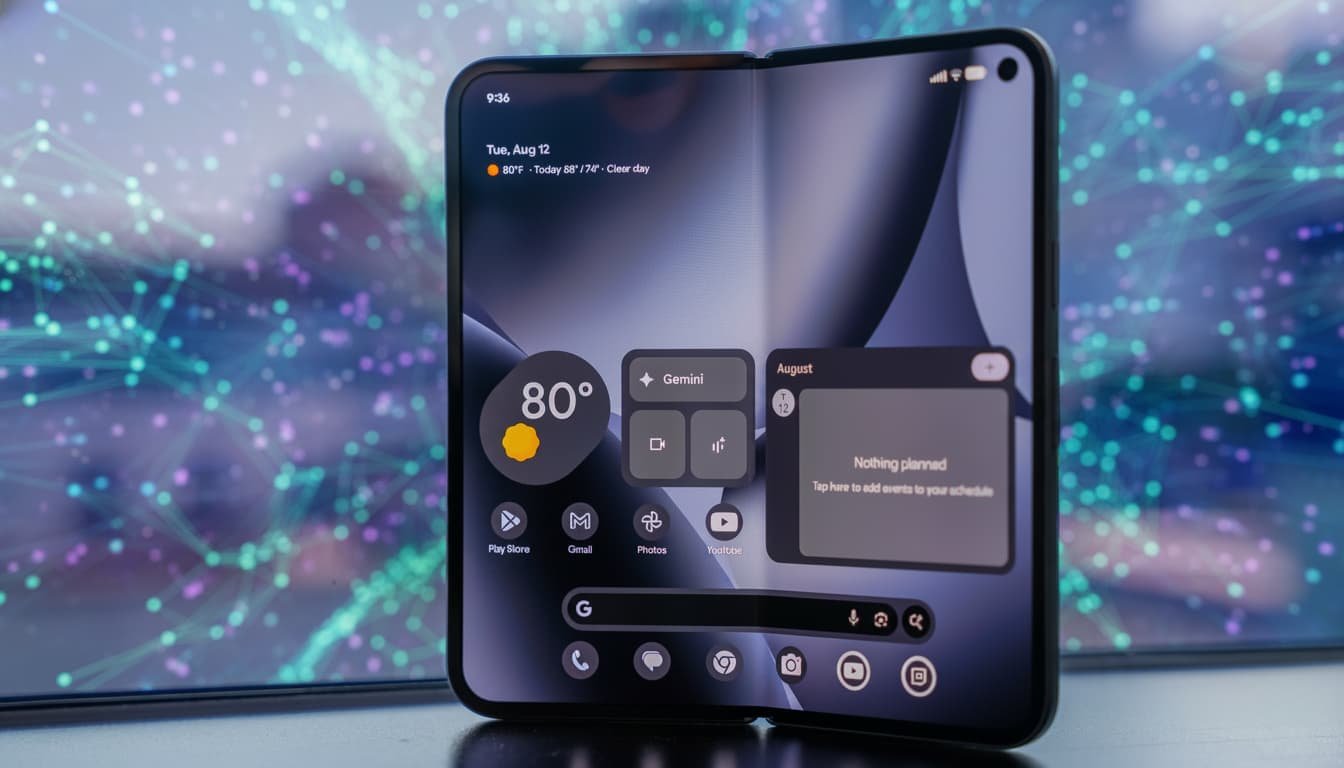
Foldable phones have grown from a niche experiment into a recognizable category, and with more brands joining the market each year, consumers now expect meaningful innovation. Google’s latest attempt, the Pixel 10 Pro Fold, enters as a premium device priced near the $2,000 mark. But Pixels and foldables represent two very different philosophies, and this contrast shapes how the device performs and who it’s best suited for.
Pixels have always focused on intelligent software, practical features, helpful automation, and value. They rarely chase the absolute highest specifications in areas like display technology, chip performance, or camera hardware. Instead, they rely heavily on refined user experience and machine-learning features that benefit everyday users.
Foldables, by contrast, are engineered for premium customers who want the most cutting-edge hardware available. These devices combine two different phone styles in one, usually with high-end materials, complex hinges, and a price tag that reflects the engineering behind them.
Google’s challenge is combining these philosophies into one product. The Pixel 10 Pro Fold succeeds in several areas but also makes compromises that limit its mass appeal. After several days of real-world testing, it’s clear that this is an impressive device—but not one that many people should buy over its competitors.
The biggest upgrade over last year’s Pixel Fold is the new hinge. Google redesigned the entire mechanism, creating a gearless structure that is thinner, more durable, smoother, and more resistant when opening and closing. This change improves both the aesthetics and functionality of the phone. The left bezel of the cover screen is noticeably narrower, making the front display look cleaner and more modern. The hinge motion feels stable and controlled, delivering a premium tactile experience.
The improved hinge also creates extra internal space, which Google has used effectively. The phone includes a larger battery, helping address one of the common concerns with first-generation foldables.
The new cover display measures 6.4 inches and is noticeably brighter than last year’s model. With peak brightness reaching the 3,000-nit range, it remains easy to view outdoors and maintains good color accuracy. The inner display remains at 8 inches and is also brighter, although the crease in the center and the medium-thick bezels remain just as visible and tactile as before. These elements are noticeable when you first begin using the phone but become less distracting with time.
A major highlight of this generation is the addition of PixelSnap magnets across the back. This enables Qi2 wireless charging and full compatibility with MagSafe accessories. It’s a practical upgrade that instantly makes the phone more useful in day-to-day situations, especially for mounting the device in a car or snapping it onto existing chargers.
There are a few minor hardware changes as well. The SIM tray has moved to the top of the phone, storage now goes up to 1TB, and the device carries full IP68 water and dust resistance—the first foldable to achieve that rating. This is a direct benefit of the redesigned hinge and significantly improves durability.
Inside the device is Google’s new Tensor G5 chip paired with 16GB of RAM. While the chip brings improvements in efficiency and general responsiveness, it does not compete with the performance levels of the leading flagship processors. For daily use, the phone remains smooth, and the extra RAM helps multitasking on the large display. However, in the premium category, many competitors offer much stronger overall performance.
Battery life is surprisingly good. When using the phone mostly closed, the 5,015 mAh battery delivers around six hours of screen-on time consistently. Unfolding the device more often drains the battery faster, but the overall endurance is still better than expected for a foldable. The revised hinge clearly freed up enough internal room to make a meaningful difference.
Software remains a core strength of every Pixel, and the Pixel 10 Pro Fold is no exception. It runs Android 16 with Google’s Material You design language, smooth animations, and Pixel-exclusive features like Call Screening, Now Playing, and automated text responses. The AI-powered tools continue to enhance day-to-day tasks, and the large display naturally encourages productivity. Using two apps side-by-side, browsing through calendars, reviewing documents, or organizing travel feels more natural on the bigger screen.
However, Google has not added anything significantly new for foldable-specific multitasking. The familiar taskbar, split-screen options, and UI adjustments are present, but there is no breakthrough software feature designed solely for the folding experience.
It’s also important to note that the Pixel 10 Pro Fold is not a leader in hardware design. The device is thicker and heavier than many newer foldables, which becomes noticeable during everyday one-handed use. Comfort matters on a phone that is often used closed, and the added bulk does affect usability. The interior and exterior selfie cameras remain serviceable but fall short of flagship standards. The rear camera system delivers results close to Google’s top phones, but still not at the highest level compared to competitors.
For users who prioritize thinness, lightweight feel, minimal crease visibility, or fastest charging speeds, other foldables in the market provide a more refined experience.
The Pixel 10 Pro Fold positions itself as a premium device in a category where consumers expect the absolute best across hardware, battery, multitasking, and camera quality. And while it performs well in many areas, it does not push boundaries to the same extent as some competitors.
That doesn’t mean it’s a bad phone. In fact, it’s genuinely enjoyable to use. It combines Google’s smart software with a functional folding design, a great hinge, long battery life, and the convenience of PixelSnap compatibility. For people who already love Pixel phones and want a foldable version of that experience, this is the best option available.

But the competition in the $2,000 space is fierce. Other brands are making ultra-thin devices with minimal creases, faster chipsets, better cameras, and more polished hardware. When compared side-by-side, the Pixel 10 Pro Fold feels less advanced in several key areas.
In simple terms, this is an excellent foldable for Pixel enthusiasts but not the strongest foldable for the general market. It delivers Google’s signature software, practical features, and a solid hinge redesign, but stops short of offering the top-tier performance and hardware innovation expected at this price range.
Google clearly understands what makes a Pixel special. The challenge moving forward is figuring out how to bring that identity to a foldable without compromising the hardware advantages needed to compete in this segment. For now, the Pixel 10 Pro Fold stands as a clever, enjoyable, but highly specialized device meant for a small group of users who value the Pixel experience above all else.